
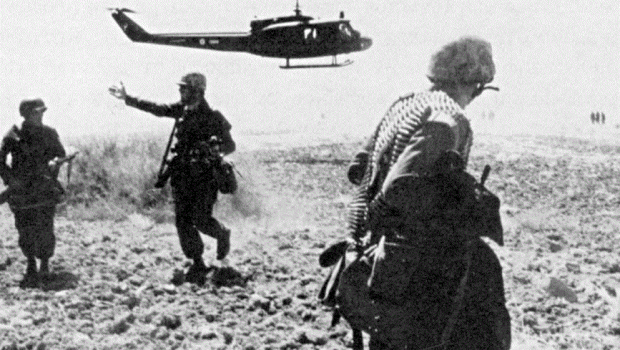

Only in this way could the battle of Cyprus be won
Today is another black anniversary for all of Hellenism—Cypriots, Greeks and Greeks in the diaspora. Fifty-two more years have passed since Turkish invasion of Megalonisos (July 20, 1974). A burden unlifted, in our heart and conscience, the infamous “Attila”the heroically—and in vain— fallenthe missing persons but never forgotten, the national mutilation, the Occupied.
Wanting once again to contribute, from the stage given to us, to the formation of a correct evaluation as possible of what took place in Cyprus in the summer of ’74, away from all kinds of nonsense and patriotic rhetorical schemes, we selected from our Historical Archive an article that was published in “Vima” on Sunday, October 30, 1988.
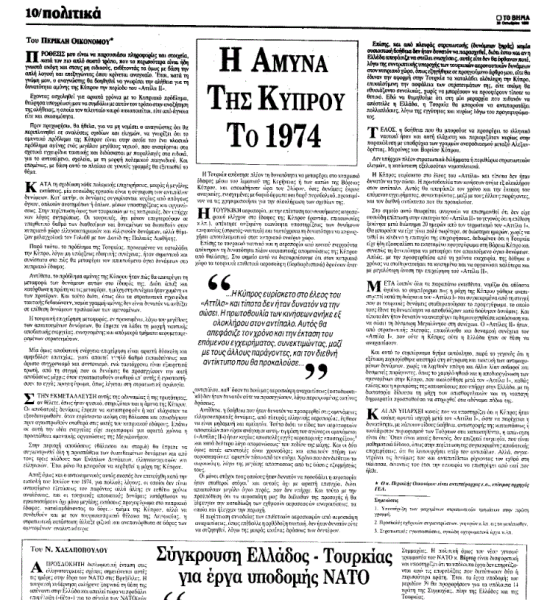
The author of this text, which bore the title “The defense of Cyprus in 1974”, was an excellent connoisseur of the military balances at the time, of the special conditions that brought about the so-called Cypriot Tragedybut also of Cypriots in general. His name: Pericles Oikonomou, then vice-captain general, Honorary Chief of the General Staff (he had served as Chief of General Staff from January 1975 to January 1978).
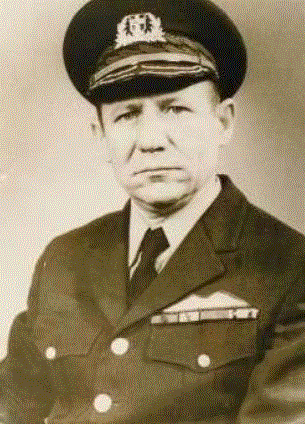
At the time of the Turkish invasion of Cyprus, the now deceased (as of 2023) Oikonomou served as Commander of the 28th Tactical Air Force (TAD, now ATA).
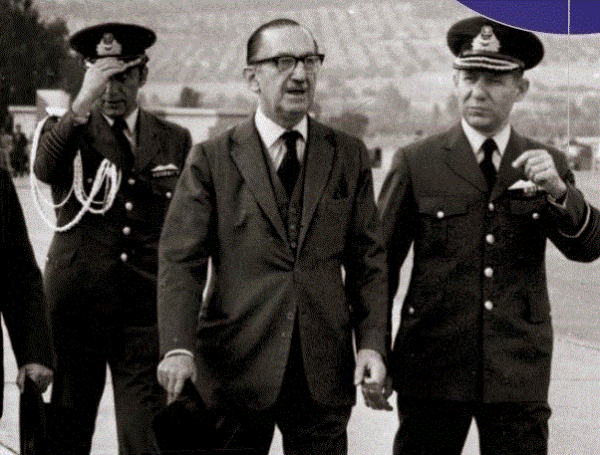
Here is the testimony — valid and revealing — given by the late Achaean pterarch A.A.:
My intention is to present information and facts, in the simplest correct way, most of which are already known even to non-experts, but presenting them based on simple logic and explaining where necessary. Thus, in my opinion, the reader will be helped to know the truth about the defense potential of Cyprus in the period of “Attila II”.
Having been involved for several years with the Cyprus problem, I considered it my duty to contribute in this way to the search for the truth, which has recently been abused, whether out of ignorance or purpose.
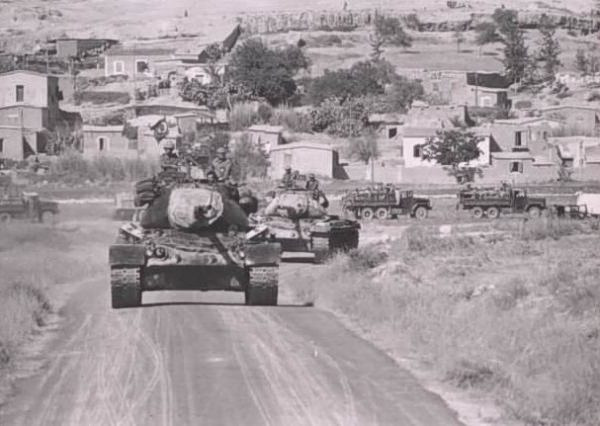
Before proceeding, I would like, so that the reader does not think that he will wander into analyzes of plans and maneuvers, to know that the defense problem of Cyprus is in essence a classic problem of defense of a large island, which is mentioned in the relevant tactical manuals and taught with variations in the special, for the subject, schools, in the form of a war game. And therefore, it is against this background that the matter will generally be considered.
In the planning of any military operation, small or large, an essential task is the comparison of opposing forces. According to it, forces are compared mainly in terms of volume, weapon systems or weapons, means of support and organization. However, in the case of Turkish and Cypriot women there was no reason to compare. The Turkish forces not only greatly outnumbered the Greek Cypriot and Greek forces available and capable of being deployed in the Cypriot area, but they were reminiscent of Goliath and David of the Old Testament.
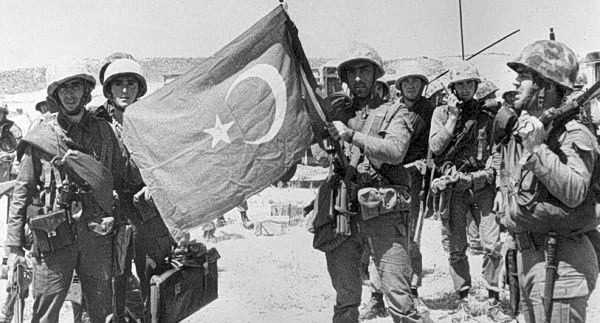
Nevertheless, Turkey’s problem, in order to occupy Cyprus, due to the non-existence of territorial continuity, was important and consisted of how to transfer the required volume of forces to the Cypriot territory.
On the contrary, the defense problem of Cyprus was how to prevent the transfer of these forces to its territory. Because once the first managed to transport them, the battle was then lost in advance. And this is because, as all military manuals of tactics affirm, no line of defense can withstand an attack by forces three times the size of the defenders.
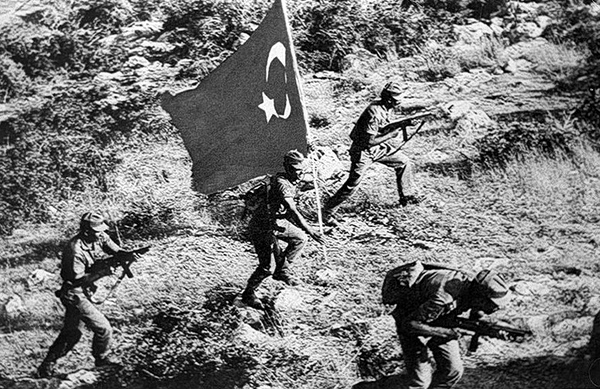
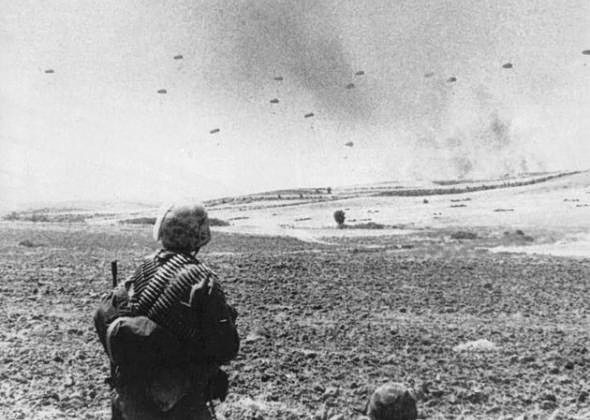
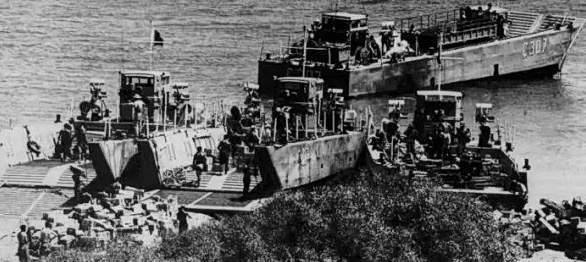
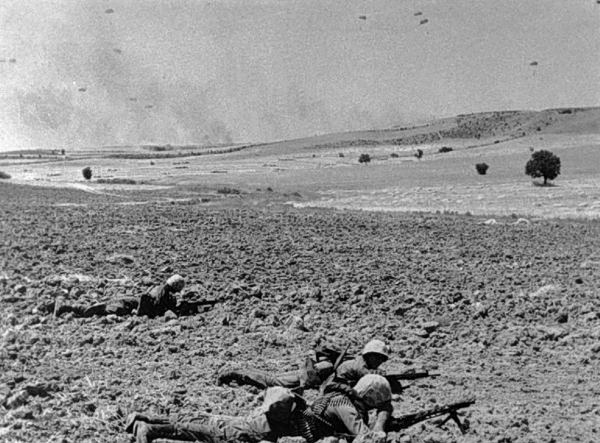
The Turkish transport operation, in this case, due to the size of the forces required, would have to take the form of a naval landing force, reinforced also by small divisions of airborne troops.
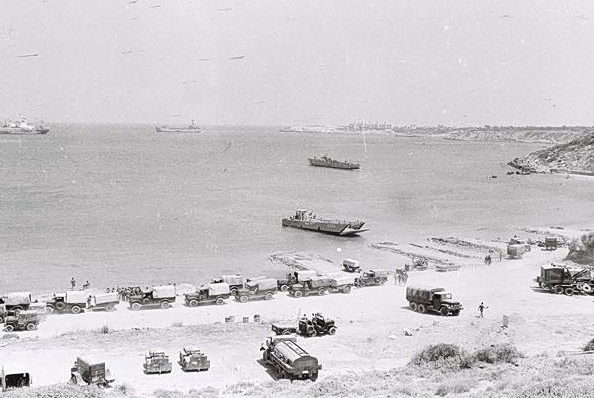
But a landing action-operation is quite difficult and of doubtful success, because it requires a high degree of training and excellent timing and coordination, while at the same time it is extremely vulnerable, from the moment the forces will approach the landing shore until they are firmly established on it or establish the nearest bridgehead, as it is called in military terminology.
On the exploitation of this weakness or vulnerability, if you like, as was natural, the defense of Cyprus was also based. The landing forces had to be destroyed or at least neutralized while they were still at sea and definitely before they were firmly anchored on the shores of Cypriot soil. For several years, the effort to organize the defense of the Megalonisos had revolved around this idea of energy.
In the landing area (sea and land) all the efforts of the available forces from all three branches of the Armed Forces, Greek Cypriot and Greek, should be concentrated. Only in this way could the battle of Cyprus be won.
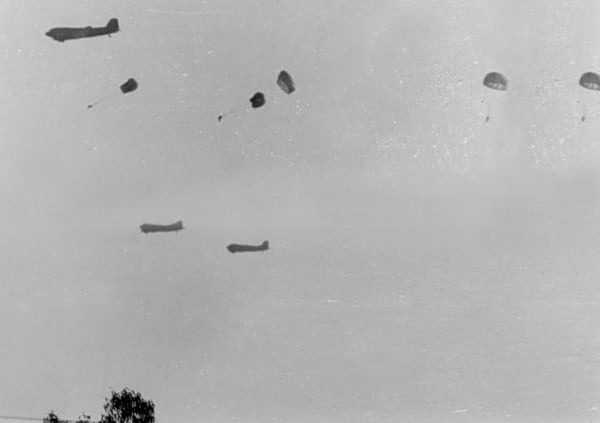
However, even this objective was not achieved during the invasion of July 1974, for many reasons, which are not the subject of this review but of another analysis in due course, and the Turkish landing forces managed not only to establish a large-scale bridgehead on Cypriot territory, occupying the northern part of Cyprus, but also to connect with the Turkish Cypriot enclave of Cyprus. Nicosia, the military situation changed radically and irreparably to the detriment of the defenders; in detail:
Turkey now acquired the ability to transfer to Cypriot territory through the port of Kyrenia or the coast of Northern Cyprus, and at any time of the 24 hours, as many forces as it deemed necessary, reinforced with heavy tanks and heavy artillery, in order to use them for the completion of its plans.
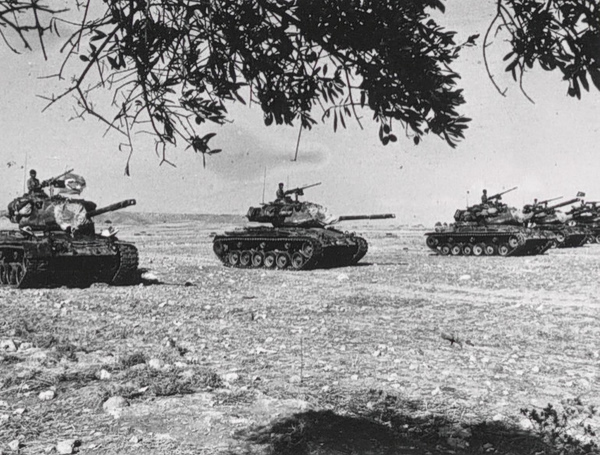
The Turkish air force, with the expansion of the air control system on the territory of Cyprus (radar, communications, etc.), acquired an increased ability to support the surface forces (army – navy) and at the same time the ability to effectively dominate the Cypriot airspace.
Also, the Turkish navy and air force, acting together, obtained the possibility of effectively isolating Cyprus from the sea. At this point, let us clarify that in the Cypriot area, the Turkish attack aircraft (bombers) operated without an opponent, as our interceptor aircraft (pursuits) could not even approach, due to a limited radius of action.
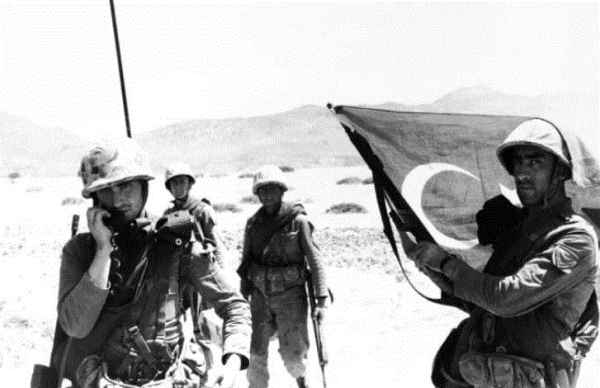
On the contrary, the help that could be offered to the defending Greek Cypriot forces, from the point of view of the Greek air force, came to be negligible and negligible. This is because the type of air missions that the defenders needed in this phase of the game (“Attila II”) were mainly missions of close air support (supporting the fighting military units in the front line) and secondarily of isolating the battlefield (attacking enemy concentrations, bridges, etc. in the rear). But both of these missions are time-consuming and require the aircraft to fly well above the target. Time that the aircraft did not have, due to the long distance from their bases of departure.
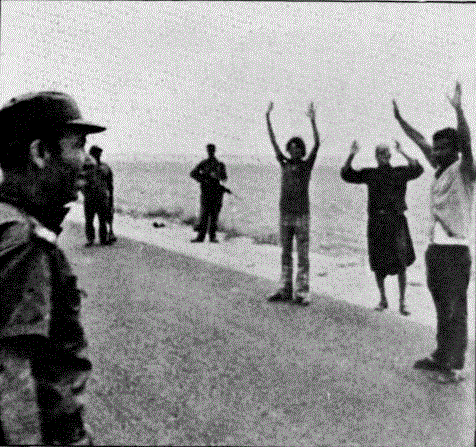
The only targets that the air force could attack were fixed targets (military installations, massive fortifications, etc.), and those not with enough success, because they required a large volume of fire, which was not available. And this with the condition that our aircraft would penetrate the attention or avoid the pursuit of the enemy interceptor aircraft, which controlled the area.
The case of escorting the attack aircraft by interceptor aircraft, as dictated by orthodox tactics, was not even possible to discuss, due to the short radius of action of the latter.
Also, from the military point of view (ground forces) no substantial help could be provided, because even if Greece decided to send aidthey would either never arrive, due to the overwhelming superiority of the Turkish aeronautical forces in the Cypriot area, or they would give Turkey the occasion to occupy the whole of Cyprus, citing the safety of its troops, or they would even be completely exhausted, without being able to offer anything positive. Here let’s remember that in the one division that Greece might send, Turkey could oppose multiple divisions, due to the proximity and mainly due to the bridgehead.
Finally, the help that the Greek navy could offer was also minimal and was mainly limited to the obstruction with submarines of the supply lines between Alexandretta, Mersin and Northern Cyprus.
There were no more military dilemmas or scope for military manoeuvres, the situation was developing in a law-abiding manner.
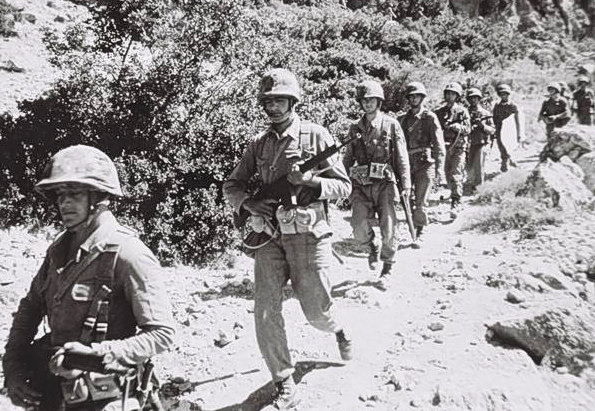
Cyprus was at the mercy of “Attila” and nothing could save her. The initiative of the movements belonged entirely to the opponent. He would decide the timing and extent of the next venture, taking into account, among other factors, the international impact it would cause.
At this point it is considered necessary to point out that the fact that the attack began 20 days after the end of “Attila II” had no significant impact on the success of “Attila II” “Attila I”. It could have been done much earlier, within days, without jeopardizing the success of the operation, given that Turkey had already secured the extensive bridgehead in Northern Cyprus and thus the ability to move the required volume of forces. Simply, with the truce offered by the junta, it was given the time to consolidate the gains and organize better and more comfortably the operation of “Attila II”.
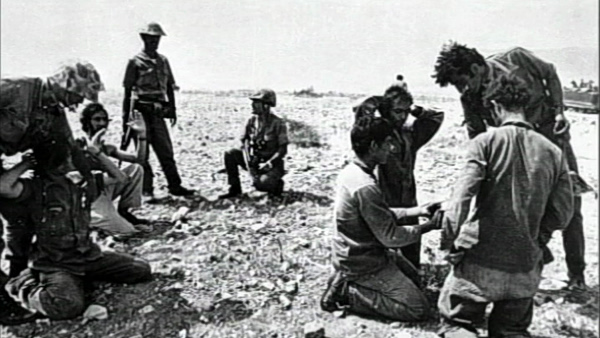
After all the above, I think it is easy to conclude that the battle of Cyprus was irretrievably lost during “Attila I”, and specifically from the moment the Turkish forces stabilized the bridgehead, which gave them the ability to disembark forces at will. And nothing was possible to reverse the created situation and save the ill-fated Megalonisos afterwards. “Attila II” was, from a military point of view, a subsequent and dynamic continuation of “Attila I”, which neither Cyprus nor Greece was able to intercept.
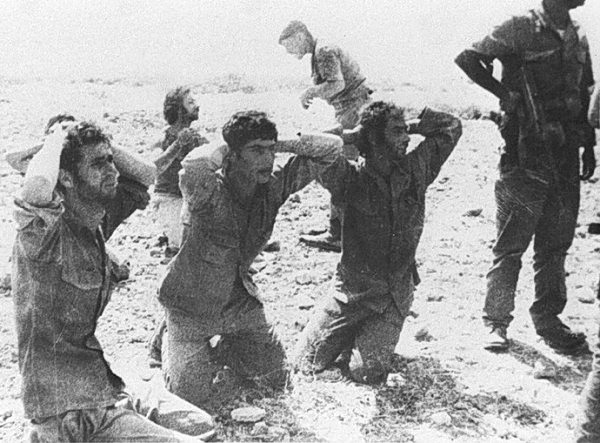
And this conclusion was self-evident, despite the fact that the examination was strictly limited to the comparison and tactics of the opposing forces, without taking into account other very serious and unfavorable factors, such as the low morale and the disorganization of the defenders in Cyprus, which followed after “Attila I”, as well as the criticality of the situation that existed in Greece, with the dictatorship fighting the battle of the rearguards and the fledgling democracy was trying to rest on its weak legs.
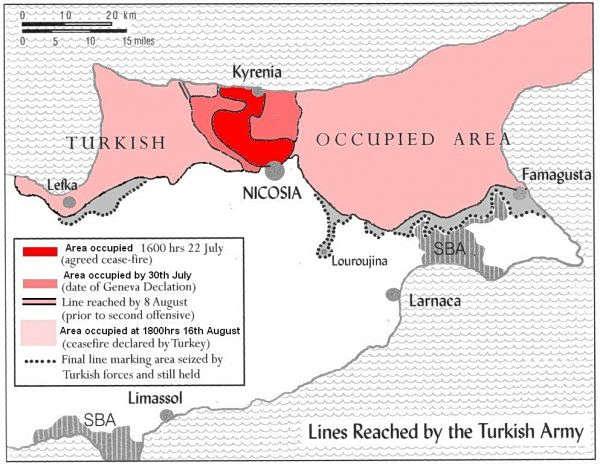
And if there is anyone who argues that Cyprus was still strong enough after “Attila I”in order to provide the possibility, with some kind of help, of reversing the situation or at least limiting the Turks to the conquered, the answer is that: When one is strong, one does not seek a truce, which is mathematically certain, as in the case of the specific amphibious enterprise, that it will work in favor of the opponent. But he gathers his strength and counterattacks by throwing the enemy into the sea, thus giving him the opportunity to return from where he came.
Source: In

